
Home batteries: sizing the system

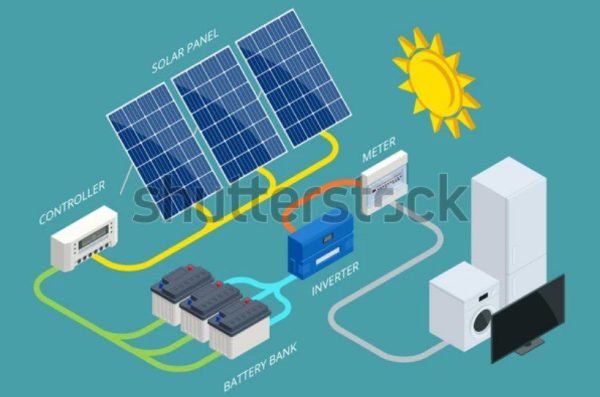
In a previous article we outlined the main principles for sizing the battery system: size your battery system so that your grid offtake does not exceed 2,5 kW, over the whole year benefit as much as possible from your PV production subsidiarily try to shift your offtake (for battery loading) into the off-peak time window…
Home batteries: setting the scene

Last September, the DGO installed a digital meter at home.  No choice, you (and I, we all) must accept it.  We can argue about the relevance of doing it for the grid user not interested in delivering ancillary services nor energy sharing, but the cause is already long lost by the campaigns depicting the PV…

Doel1 is retired

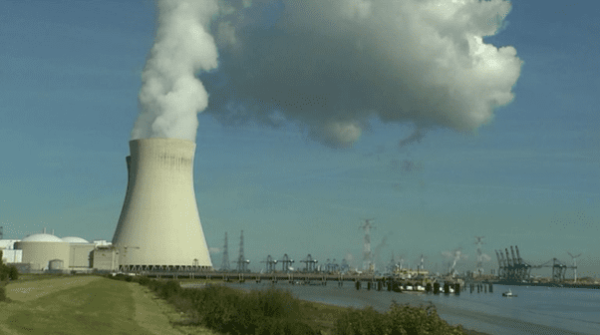
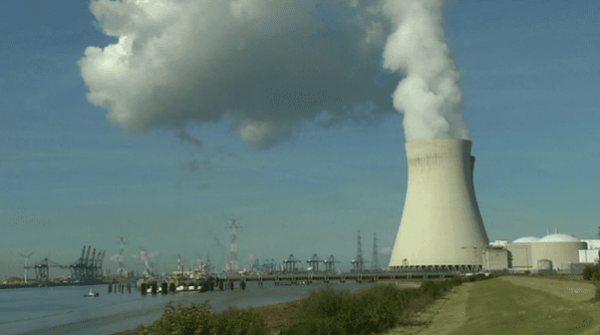
On 18/02/2025, the Doel1 nuclear plant retired from in operation, taking around 450 MW of production away from the running 3 GW of active nuclear plants in a grid delivering a total load of 9,5 GW. So, the total nuclear production has decreased by ca. 17%, reducing the nuclear part to 28% of the total…

Electrification impact: dwelling heating

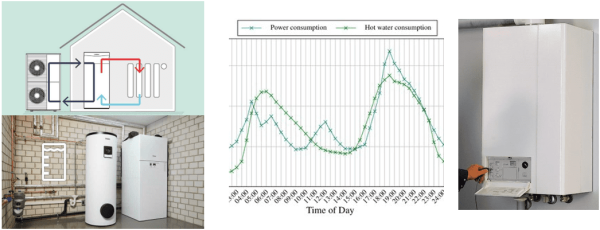
In a previous article (https://edenergy.be/the-myth-of-flexibility-production/?lang=en), we drew conclusions about the optimal production park and the measures to take regarding grid investments and research development, aiming to limit the societal and individual costs of electrifying two major needs: dwelling heating and individual transport. Although the conclusions were straightforward, nuances were expressed concerning the figures. Indeed, using…

30 minutes to solve DST case

The origin of the differentiated winter/summer hour (also called Daylight Saving Time) is not well known, several explanations are given for it, without one actually emerging as the origin. However, it was promoted during the first oil shock in 1973–1974 as a way to save energy consumption, it now seems that the expected advantages have…

Doel4 is back

Since 09/12/2024, the Doel4 nuclear plant has been back in operation, bringing a bit more than 1 GW of production on top of the already running 3 GW from the other active nuclear plants in a grid delivering a total load of 9,5 GW. So, the total nuclear production has increased by 25%, reaching 42%…

Electrification impact: transport

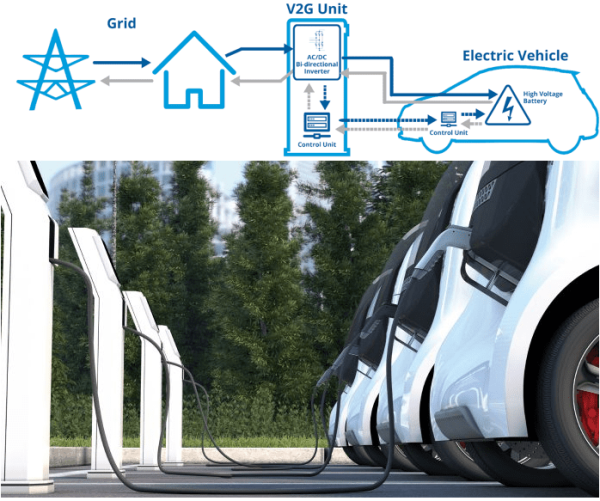
In a previous article (https://edenergy.be/the-myth-of-flexibility-production/?lang=en), we drew conclusions about the optimal production park and the measures to take regarding grid investments and research development, aiming to limit the societal and individual costs of electrifying two major needs: dwelling heating and individual transport. Although the conclusions were straightforward, nuances were expressed concerning the figures. Indeed, using…

The lure of the economic incentive to solve the energy transition

Recently, I attended a workshop on energy transition, which revisited the recurring concern about the need for a paradigm shift—moving from consumption-driven production management to production-driven consumption management, supplemented by flexible services to ensure grid stability. There is no doubt: we must change our mindset, habits, and perception of what needs to be done. Change…

The myth of flexibility: production

In previous articles (https://edenergy.be/the-myth-of-flexibility-mobility/, https://edenergy.be/the-myth-of-flexibility-dwelling-heating/) we have seen that electrification of 2 major needs (mobility and dwelling heating) can’t be realized solely through flexibility based on demand curtailing, which can only provide a very limited contribution to quench the demand. Conversely, a redesign of the electric car charging infrastructure – for what concerns mobility –…

The myth of flexibility: dwelling heating

In a previous article we have seen that the best way to satisfy the electric mobility needs is a combination of a widespread of low power (3,7 kW) charging poles, light electric cars equipped with battery no larger than 40 kWh, and distributed automated battery exchangers capable of replacing batteries in 59 seconds.  So, there…